
 416-962-1010


Fly In For Surgery
Live far away? Contact us today to learn about lodging arrangements for out of town patients.
LEARN MORE

Posted on November 16, 2026 in Eyelid Lift
You slept eight hours. You drank the water. You tried the caffeine eye cream, the cold spoons and the concealer that promised to "erase" everything. And still, the bags under your eyes are there in every photo and every Zoom call.
If that sounds familiar, you're not alone. Puffy lower eyelids are a very common reason people look into eyelid surgery. The reason they don't go away with sleep or skincare is simple: in most people, under-eye bags aren't about being tired at all. They're about anatomy. Here's what's really going on, and what lower eyelid surgery (lower blepharoplasty) can do about it.
Around your eye sits a cushion of fat that protects the eyeball. When you're young, a thin layer of tissue holds that fat neatly in place. Over time, that support relaxes and the skin of the lower lid, some of the thinnest on your body, loses elasticity. The fat begins to push forward, and you get a soft bulge under the eye that casts a shadow below it.
That's why the bags can look worse under overhead lighting, in the morning, or after a salty dinner, but never fully disappear. Genetics play a big part too: some people notice puffy lower lids in their 30s because it runs in the family.
Common signs that lower eyelid surgery may help:
Lower eyelid surgery is tailored to what is causing your bags. In general, Dr. Power will remove or reposition the bulging fat, and remove a small amount of loose skin if needed. There are two main ways to do it.
The hidden, inside-the-lid approach (transconjunctival). If your main issue is puffiness from fat, and your skin is still fairly firm, the fat can be removed or repositioned through a small incision on the inside of the lower lid. There's no visible scar on the skin. The trade-off is that loose skin can't be removed this way, so it suits a select group of patients with bulging fat alone.
The just-below-the-lashes approach (subciliary). If you also have extra skin, the incision is placed just under your lower lashes, with a small extension toward the outer corner of the eye that follows your natural laugh lines. Through this incision the fat can be carefully removed or repositioned and the excess skin trimmed. Because the scar sits right at the lash line and in natural creases, it typically fades well over time.
Supporting the lower lid. Your lower lid needs to stay in the right position as it heals. Depending on how firm your lid is before surgery, Dr. Power may secure the outer corner of the eye (a lateral canthopexy) and commonly places a temporary stitch between the upper and lower lids toward the outer corner during early healing. It doesn't block your central vision, and it helps support the lid and reduce swelling while you heal.
Smoothing the lid-cheek junction. In some patients, the hollow below the bag is as much of the problem as the bag itself. Eyelid surgery can be combined with fat grafting, using your own fat, to soften that junction between the lower lid and the cheek and restore some volume to the midface.
The goal is always a natural result. As Dr. Power puts it, the best eyelid results are the ones where no one can tell anything was done. You simply look like yourself, on a good day.
Eye creams can help skin hydration and texture, but no cream can move fat back where it belongs. In the right cases, such as some patients with a hollow under the eye but little puffiness, filler may be an option, and Dr. Power will tell you honestly at your consultation if that suits you better. If your bags are caused by fat pushing forward and loose skin, lower eyelid surgery addresses the cause directly, and the results are long-lasting.
Many patients notice changes in both their upper and lower lids at the same time. Upper eyelid surgery treats hooded or heavy upper lids, and is usually done under local anesthetic (read our guide to upper eyelid surgery for hooded eyelids). Lower eyelid surgery treats bags and loose skin under the eyes. Doing both in one operation means one anesthetic and one recovery. Dr. Power will check your eyelids and brow position at your consultation and tell you honestly which approach makes sense for you.
Lower eyelid surgery is a more involved procedure than an upper lid lift, so it's generally done under general anesthetic at a private surgical facility, and you go home the same day. Lower eyelid surgery usually takes about 1 to 2.5 hours, depending on how much needs to be done. If you're having your upper lids done at the same time, add about 40 minutes.
Because you'll have a general anesthetic, you'll need someone to drive you home and stay with you for the first 24 hours.
Every recovery is a little different, and you'll receive written instructions tailored to you. Here's a typical path:
A Toronto tip: if you'd like to keep your recovery low-key, plan it around a quieter stretch at work or the holidays. In the winter months, sunglasses, hats and cozy weekends at home make the first couple of weeks easy to keep private.
Lower eyelid surgery is a well-established procedure, but like any surgery it has risks, including bruising, bleeding, infection, irritation of the eye's surface, asymmetry, and removing too much or too little fat. One risk specific to the lower lid is the lid pulling down slightly as it heals (lower lid retraction), which is why Dr. Power uses techniques to support the lid during early healing. Serious vision problems are extremely rare, but if you ever notice changes in your vision, significant swelling or bruising that is getting worse, contact the clinic right away.
If you have dry eye or another eye condition, you'll be asked to see your optometrist or ophthalmologist before surgery.
At Power Plastic Surgery, lower eyelid surgery starts from $8,480 + HST, and combined upper and lower eyelid surgery starts from $10,380 + HST. Your personalized quote itemizes everything that applies to your surgery, including the surgeon, anesthesia, facility and nursing fees, and is valid for 6 months. Monthly payment plans are available through Beautifi. See fees and financing or our pricing page for details.
Cosmetic eyelid surgery is private and not covered by OHIP. If you feel your eyelids are affecting your vision, speak with your family physician or optometrist.
If the transconjunctival approach is right for you, the incision is on the inside of the lid and there's no scar on the skin. If skin needs to be removed, the scar sits just under the lashes with a short extension into a natural crease at the outer corner of the eye. It's usually very hard to see once healed.
Not necessarily. Under-eye bags can be hereditary, and some patients notice them in their 30s. What matters is whether the puffiness is caused by fat and skin changes that surgery can address. That's what your consultation is for.
Most patients describe it as more uncomfortable than painful. You'll be asleep for the surgery, and afterwards you'll have prescription pain medication, though many people find they need very little after the first few days. Cold compresses help a lot, as does sleeping with your head raised on 2 to 3 pillows.
Removing or repositioning the fat that creates under-eye bags gives long-lasting results. Once the fat is removed, the bags rarely come back. Your face will continue to age naturally, but most patients enjoy the improvement for many years.
Yes. It's commonly combined with upper eyelid surgery, it can be combined with fat grafting to soften the lid-cheek junction, and it may also be combined with a facelift or neck lift. Dr. Power will talk through what makes sense for you at your consultation.
Yes. Because lower eyelid surgery is done under general anesthetic, you'll need a driver home and someone to stay with you for 24 hours.
Most patients return to office-based work in about a week. Some prefer 10 to 14 days if they'd rather any bruising be fully gone first.
No. All of the eyelid surgery Dr. Power performs is private.
If you have dry eye or any other eye condition, you'll be asked to see your optometrist or ophthalmologist before surgery.
If under-eye bags are making you look more tired than you feel, a consultation is the best place to start. Dr. Stephanie Power is a board-certified, fellowship-trained plastic surgeon in Toronto, and she'll assess your eyelids, cheeks and brow, explain which approach suits you, and give you a clear, itemized quote. You can see real results in our lower eyelid surgery gallery.
Learn more about eyelid surgery with Dr. Power, or book your consultation today.
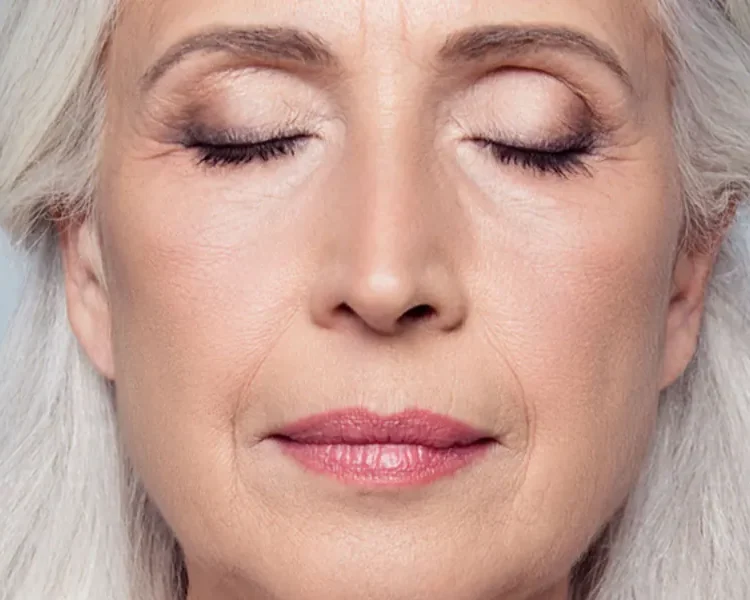
Heavy, hooded upper eyelids can make you look tired even when you're well rested. Learn how upper eyelid surgery works, why it's usually done while you're awake under local anesthetic, and what recovery looks like with Dr. Stephanie Power in Toronto.
LEARN MORE
It’s a common saying that the “eyes are the window to the soul”. Our eyes communicate emotions and they are
LEARN MORE
Blepharoplasty, also known as eye lift surgery, is a procedure to restore a refreshed and youthful appearance to tired, aging
LEARN MOREFill out the form below to schedule your consultation today.
Live far away? Contact us today to learn about lodging arrangements for out of town patients.
LEARN MOREWant to hear more from Dr. Power? Check out our blog for monthly updates and procedure information.
LEARN MOREWe are transparent about pricing. Just let us know which procedure you are interested in and we will give you a range!
LEARN MOREYou may learn more and book your elective
plastic surgery online. Click here to book a
time that is convenient for your busy schedule.
If you have further questions before booking,
please submit our intake form.
“Once the swelling settles, my lower eyelid patients often tell me they finally look the way they feel: refreshed and well-rested.”
– Dr. Stephanie Power