
 416-962-1010


LIPOSUCTION AT POWER PLASTIC SURGERY
When you ask what comes to mind when considering the term “liposuction,” many people automatically think of “weight loss.” Unfortunately, this is not the case! Liposuction is a technique for improving contour and adding definition. As a body contouring surgery, it may be used to target focal areas of persistent fatty tissue that linger no matter how many crunches are performed. Liposuction is one of the most common plastic surgery procedures. Ideal candidates are close to their ideal body weight with focal areas of adiposity that are unresponsive to diet and exercise. The procedure is performed for body contouring, not weight loss, and skin elasticity is important for skin retraction and tightening after surgery.
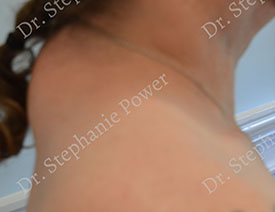
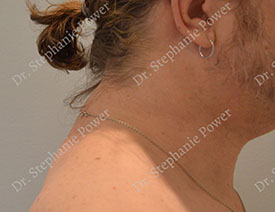
Liposuction Before and After Photos
Real patients of Dr. Power, from our photo gallery. Every body is different, and your results will depend on your anatomy and goals.
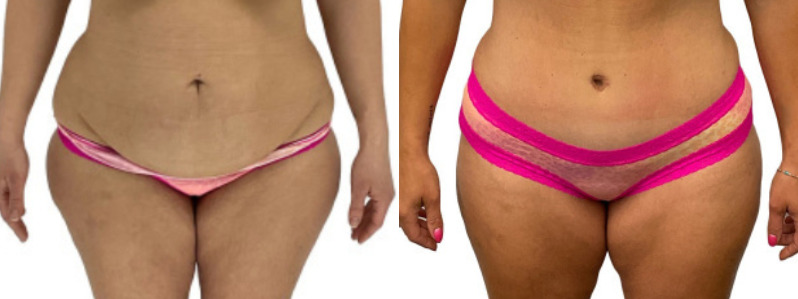
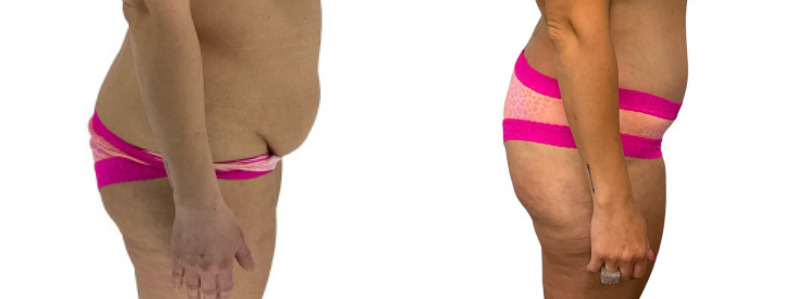
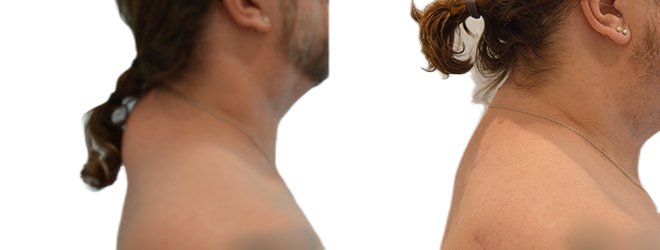
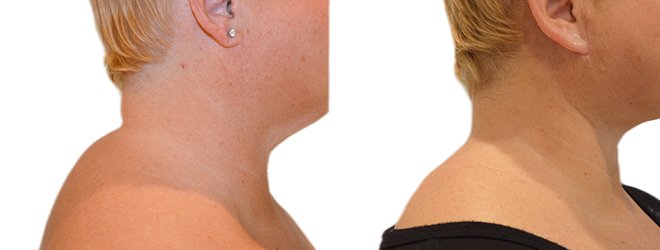
Individual results vary.
Liposuction Cost in Toronto
Liposuction fees depend mainly on how many areas are treated. Our starting fees:
Liposuction, one area
from $7,900
Out-patient surgery
Liposuction, two areas
from $12,460
Out-patient surgery
Tummy tuck with flank liposuction
from $16,330
Includes an overnight stay
Prices shown are starting fees. Your personalized quote itemizes the fees that apply to your surgery, such as the surgeon fee, anesthesia, facility and nursing fees, supplies and HST. Quotes are valid for 6 months. A non-refundable 25% deposit secures your surgery date, and the balance is due 3 weeks before surgery. Monthly payment plans are available through Beautifi financing.
Liposuction Recovery Timeline
A typical recovery with Dr. Power. You will receive written instructions, and your plan is tailored to the areas treated.
- Day of surgeryLiposuction is done in the operating room, most often under general anesthetic, or local anesthetic for small areas. You go home the same day unless it is combined with another surgery such as a tummy tuck, and you wake up wearing a compression garment.
- First few daysThe wetting solution used during surgery continues to drain. Prescription pain medication may be needed for the first few days, then Tylenol as needed. You may shower the day after surgery.
- Within a weekMost patients return to office-based work within a few days to a week. More physical jobs may need modified duties for up to a month.
- 1 monthWear your compression garment as directed, most commonly for one month. Avoid exercise, strenuous activity and heavy lifting until then.
- 2 to 3 monthsMost of the swelling resolves.
- Up to 1 yearFinal results appear as the last swelling settles and the skin finishes tightening.
Read more about how long liposuction swelling lasts and compression garments after liposuction.
Common areas for liposuction include the abdomen, hips, buttocks, thighs, knees, neck (submental), and face (cheeks, jawline). Liposuction is performed in the operating room. Depending on the body region and anticipated duration of surgery, it is performed either under general anesthetic, most commonly, or local anesthetic for limited regions.
Post-operative compression garments are recommended to decrease swelling and aid in skin retraction. Liposuction is performed as out-patient surgery – unless combined with another surgery, such as tummy tuck – and patients are generally able to return to work within one week. It is necessary however, to refrain from strenuous activity or heavy lifting for one month.
What are common concerns of patients considering liposuction?
Patients considering liposuction surgery commonly express concern regarding localized regions of fatty tissue that are unresponsive to diet and exercise. They seek contour improvement of challenging body regions as opposed to reduction of overall body weight. Liposuction may be a useful tool to address focal areas of excess fullness. It is not an effective technique for weight loss.

Who is a suitable candidate for liposuction?
A suitable candidate for liposuction expresses concern regarding localized fat deposits that are unresponsive to lifestyle modifications. It is important for patients to have reasonable goals when seeking liposuction and understand limitations of the surgery. Liposuction will not result in significant weight reduction. It may achieve sculpting and increased definition by removing unwanted fat deposits.
Body weight is one of the most important considerations when determining whether a patient may benefit from liposuction. If over 10% of one’s ideal body weight, liposuction may be less successful in body contouring. Based on clinical examination, Dr. Power may recommend a regimen to achieve weight reduction through diet and exercise before surgery in order to optimize aesthetic outcome.
In addition to localized fatty deposits, it is critical to have normal skin elasticity if considering liposuction. Once excess fat is suctioned, contour improvement depends on the ability of the skin to contract and tighten following fat removal. If performed on a patient with decreased skin elasticity, the aesthetic outcome may worsen since excess skin will be more apparent following liposuction. For these cases, different surgical techniques may be more effective depending on the body region (for example, tummy tuck or neck lift surgery).
What are the different types of liposuction?
There are various liposuction procedures that can be performed. They are categorized based on adjunct technology that is employed, including suction ultrasound (traditional liposuction), power source liposuction, or laser liposuction. The most common technique for liposuction includes an external source of suction. Ultrasound-assisted liposuction (UAL) has also been developed, which may be effective in removing fat cells within fibrous body areas if previous liposuction or other surgery has been performed at the site. Although it may liquefy fat before suctioning, ultrasound-assisted liposuction carries the risk of thermal injury to the skin. Power-assisted liposuction is driven by a small motor and is an effective technique, particularly when treating large body regions. Despite many different types of liposuction, there is no proven benefit of one technique over the others.
What to expect after liposuction?
Following your liposuction procedure, you will wake up in the post-operative recovery area and will be wearing a compression garment. This applies gentle pressure to the surgical site and reduces the risk of bleeding, swelling, and fluid accumulation. Gauze dressings will be applied under the compression garment, which will collect any drainage from the surgical site.
Fluid is injected prior to liposuction, which serves to partially break down fat cells before suctioning and to reduce risk of bleeding and bruising. This wetting solution will continue to drain over the first few days following liposuction.
Instructions will be given regarding your liposuction recovery and dressing changes. You will be able to resume showering starting the day after surgery. Prescription pain medication may be required for the first few days following liposuction and patients are then able to transition to Tylenol plain or extra-strength as needed.
What are potential complications of liposuction?
A comprehensive list of potential liposuction complications will be discussed in consultation. The majority of complications are minor, most commonly infection, fluid accumulation (seroma), or contour irregularities. The most common major complication following liposuction is venous thromboembolism – deep venous thromboembolism (DVT) or pulmonary embolism (PE). When performed by a board-certified plastic surgeon, these risks are reduced.
Precautions are taken during surgery to reduce the risk of blood clot formation, including compression stockings on the lower legs and sequential compression devices. These devices decrease venous pooling in the lower legs during surgery. If additional risk factors are identified that place a patient at increased risk of developing venous thromboembolism, surgery may not be recommended. It is also important for patients to begin mobilizing early after surgery. Walking short distances after liposuction also increases blood flow and decreases the risk of complications.
What to expect on the day of liposuction?
It is important to begin fasting at midnight prior to surgery. Your appointment details will be provided in advance regarding the date and location to present for surgery.
You will be admitted and given a locker for your personal belongings.
If you are having a general anesthetic, you will meet the anesthesiologist who will be administering it. Smaller body regions may be treated under local anesthetic. Dr. Power will see you pre-operatively to answer any remaining questions and to review the surgery and post-operative instructions. She will also perform surgical markings in the pre-operative waiting area before your surgery. Your blood pressure and other vital signs will be checked and then you will be taken to the operating room.
A surgical checklist will be performed in accordance with Health Quality Ontario standards to confirm patient and surgery details. Your surgery will then be performed under general anesthetic or local anesthetic, depending on the extent of planned surgery and your discussion with Dr. Power pre-operatively.
What is the anticipated recovery after liposuction?
Most patients are able to return to work or academic programs within a week of liposuction. It is important to wear the compression garment as directed, most commonly for one month following surgery. If submental liposuction is performed (under the chin), Dr. Power recommends the neck compression garment be worn full-time for 1-2 weeks following surgery. It may then be worn outside of work hours for an additional 2 weeks as tolerated.
It is important to refrain from exercise, heavy lifting, or strenuous activities for one month following liposuction. This reduces the risk of bleeding, blood or fluid accumulation within the tissues (hematoma or seroma, respectively), and swelling.
To maintain liposuction results, patients are encouraged to follow a healthy diet and exercise regimen. It is also important to maintain a stable weight, as patients who lose weight or gain weight may experience altered results.
How much discomfort is to be expected following liposuction?
Most patients do not report significant discomfort following liposuction. It is a superficial procedure involving the removal of fatty tissue through limited skin incisions. The tumescent fluid that is injected at the beginning of the case provides analgesia over the first few hours post-operatively. Patients may require prescription pain medication for a couple of days following surgery. They are generally able to wean quickly to Tylenol plain or extra-strength and then completely discontinue all analgesia within a few days. Cold compresses are also beneficial for 48 hours post-operatively to reduce discomfort and swelling.
About Your Surgeon
Dr. Stephanie Power, MD, MSc, FRCSC
Plastic surgeon certified by the Royal College of Physicians and Surgeons of Canada
Your liposuction consultation at Power Plastic Surgery is with Dr. Power. She earned her MD and completed her plastic surgery residency at the University of Western Ontario, where she also completed an MSc in Medical Biophysics. She received her Royal College certification in Plastic Surgery (FRCSC) in 2013, then completed fellowships in Aesthetic Surgery and in Trauma and Reconstructive Surgery at the University of Toronto. Before medicine, she graduated with honours from Princeton University.
Her Toronto practice has an all-female team.


"The biggest hurdle for a lot of women is coming in for the consultation. Many do not want to appear vain or they feel guilty about finally spending money on themselves."
- DR. STEPHANIE POWER